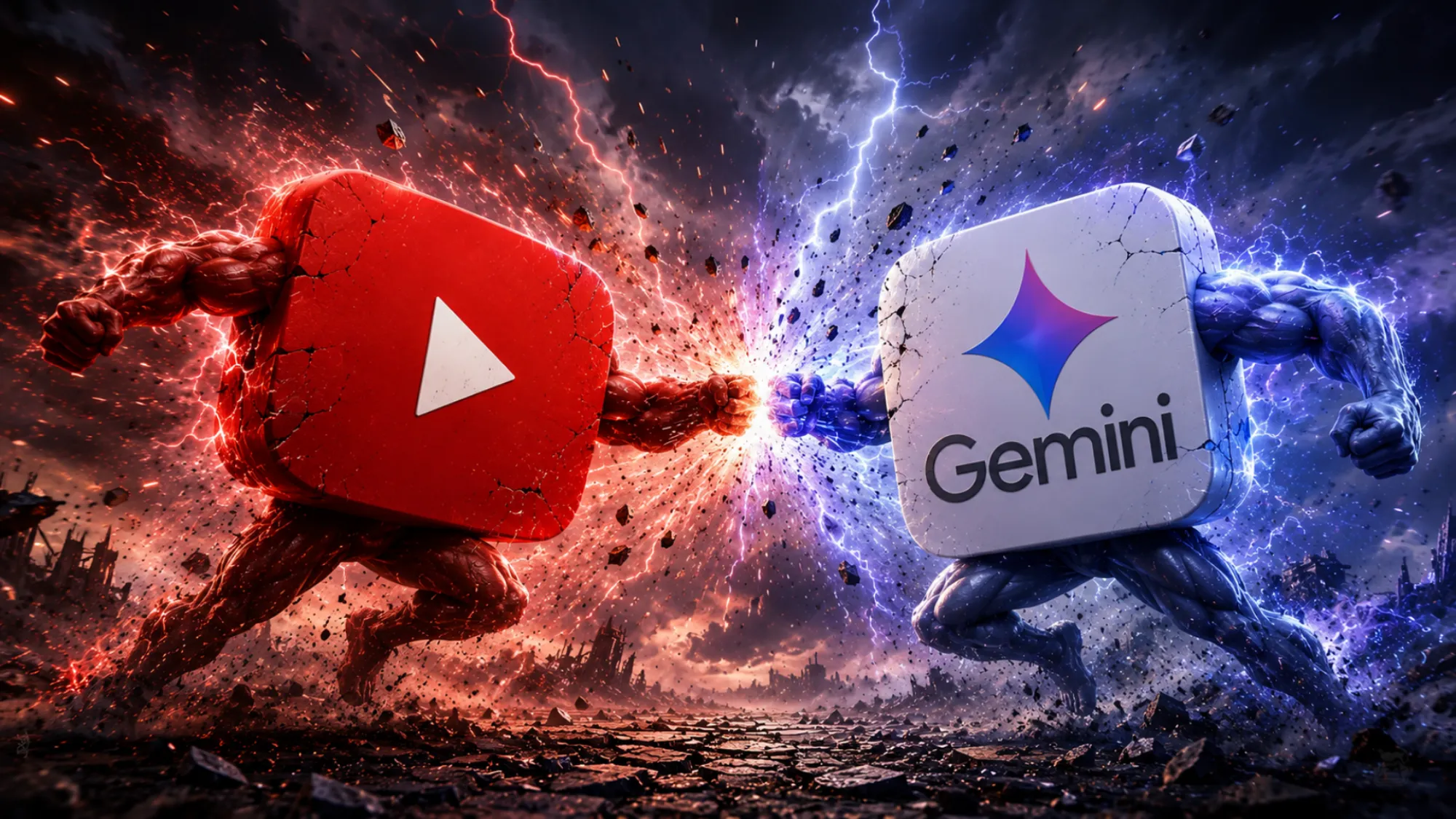
Google has made Artificial Intelligence the center of its future strategy. Through Gemini, the company encourages creators to write scripts, generate images, create voiceovers, and even produce cinematic AI videos using advanced models like Veo. Every major product launch delivers the same message AI is transforming content creation, and creators should embrace it. However, many YouTube creators believe there is a contradiction. While Google promotes AI-powered creativity, discussions across creator communities are filled with concerns about AI-assisted videos receiving reused content warnings, losing monetization, experiencing lower reach, or facing channel actions.
AI Is Not the Problem, Low-Quality Content Is
One of the biggest misconceptions among creators is that YouTube bans AI-generated videos. In reality, YouTube has never announced that content created with Artificial Intelligence is automatically prohibited or ineligible for monetization. Instead, YouTube evaluates videos based on originality, authenticity, viewer value, and compliance with its monetization policies. The platform focuses on whether a video provides meaningful content to viewers, not simply on the tools used to create it.
The real problem begins when creators rely entirely on automation. Thousands of channels now generate scripts with AI, use AI voiceovers, combine stock footage, and publish videos with little or no human creativity. Such content often looks repetitive and provides limited value to viewers. As a result, creators may receive reused content warnings or struggle to qualify for monetization. In contrast, creators who use AI as a productivity tool while adding original research, editing, storytelling, fact-checking, and personal insights are producing content that is far more likely to stand out.
Why YouTube Creators Feel Confused?
The confusion largely comes from the messaging. On one side, Google showcases Gemini and Veo as revolutionary tools capable of helping anyone create professional-quality content. These products are designed to make video production faster, easier, and more accessible.
On the other side, many creators share experiences of monetization issues after relying heavily on automated content creation. While these experiences may involve multiple factors beyond AI itself, they have created uncertainty within the YouTube community. As a result, many creators now hesitate before using AI, fearing that excessive automation could negatively affect their channel's long-term growth.
AI Should Support Creativity, Not Replace It
Artificial Intelligence is undoubtedly changing how videos are created, but successful creators understand that AI is only one part of the creative process. The most successful YouTube channels use AI to speed up research, generate ideas, improve editing workflows, or create visual concepts. They still invest time in writing better scripts, verifying information, improving storytelling, creating engaging edits, and delivering a unique viewing experience. AI can increase efficiency, but it cannot replace originality, creativity, or the human connection that audiences expect from quality content.
The Future of AI Content on YouTube
Artificial Intelligence will continue to evolve, and tools like Gemini and Veo will become even more powerful in the coming years. Content creators who learn how to combine AI with genuine creativity will likely benefit the most from this technological shift. Rather than asking whether AI is allowed on YouTube, creators should focus on a more important question: Does my content offer something unique and valuable to viewers?
The future does not belong to creators who simply generate videos with AI. It belongs to those who use AI responsibly to enhance their ideas while maintaining originality, authenticity, and audience trust. As Google continues encouraging creators to embrace AI-powered tools, the debate surrounding AI-generated content on YouTube is likely to continue. Until creators fully understand the difference between automation and originality, one question will remain at the center of the discussion: If Google wants the world to create with AI, why do so many YouTube creators still fear uploading AI-assisted videos?